FAQs
What is a CWPP?
A Community Wildfire Protection Plan (CWPP) is a plan that helps a community understand its wildfire risks and take action to reduce them. CWPPs were created under a federal law called the Healthy Forests Restoration Act.
A CWPP explains what is at risk and lists the steps a community can take to reduce wildfire impacts. All CWPPs include three main parts:
• Working together: Local and state officials must work with community members, nonprofits, and nearby federal land managers.
• Reducing fuels: A CWPP points out areas where thick or hazardous vegetation should be reduced and recommends how to do that.
• Safer homes: A CWPP explains what homeowners and communities can do to make buildings less likely to catch fire from wildfire.
A CWPP is a community planning tool. It is not a regulation, a growth plan, or an evacuation plan, but it can help guide those documents and tools.
Why update Missoula County’s CWPP?
Wildfire has always been part of Missoula County’s ecosystem. But fires are becoming more dangerous because of more homes in fire prone areas, overgrown vegetation, difficult evacuations, the effects of climate change and a history of suppressing wildfires. The county’s last CWPP update was in 2018.
This update will use new data, look at how conditions have changed, and address new issues such as wildfire smoke. The plan will help the county:
• Improve safety and preparedness for the public and first responders
• Support fire adapted communities by focusing on the home ignition zone (HIZ) and smoke readiness
• Keep forests and landscapes healthy and resilient
• Seek funding for projects that reduce wildfire risk and make homes and communities more wildfire resistant
What is a fire adapted community?
A fire adapted community is one where people understand wildfire risk and take steps to prepare for it. This includes making homes, yards, and neighborhoods more resilient so that the community can better live with fire on the landscape.
What are examples of strategies that might help reduce wildfire risk and prepare us to live with wildfire?
1) Prepare Homes and Neighborhoods
· Focus on the Home Ignition Zone (HIZ)—your house and the area close to it.
· Clear dry leaves, needles, and brush. Keep grass short.
· Use fire resistant building materials when possible.
· Create a defensible space by removing flammable plants near buildings.
· Prepare for smoke: improve HVAC filters and use air cleaners.
2) Use Fire the Right Way
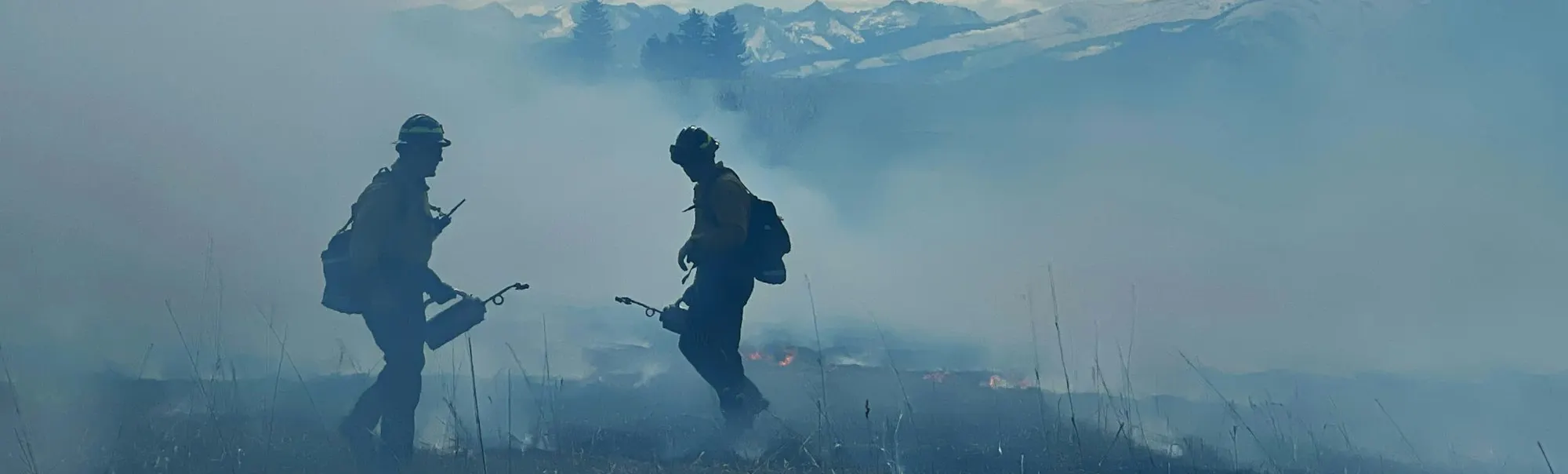
· Prescribed burns and carefully managed wildfires can reduce extra fuels.
· These actions help fire play its natural role and make big, destructive fires less likely.
3) Plan Land Use Wisely
· Guide new building away from the highest risk areas.
· Use building codes that require fire resistant features.
4) Learn about your wildfire risk
· Residents can learn about wildfire and smoke, and what actions they can take to adapt their homes and properties.
5) Set the Right Priorities
· Do not rely only on suppression.
· Combine fuel management with wildfire resistant homes and neighborhoods.
· Share responsibility among homeowners, local groups, and agencies.
6) Strengthen Critical Facilities