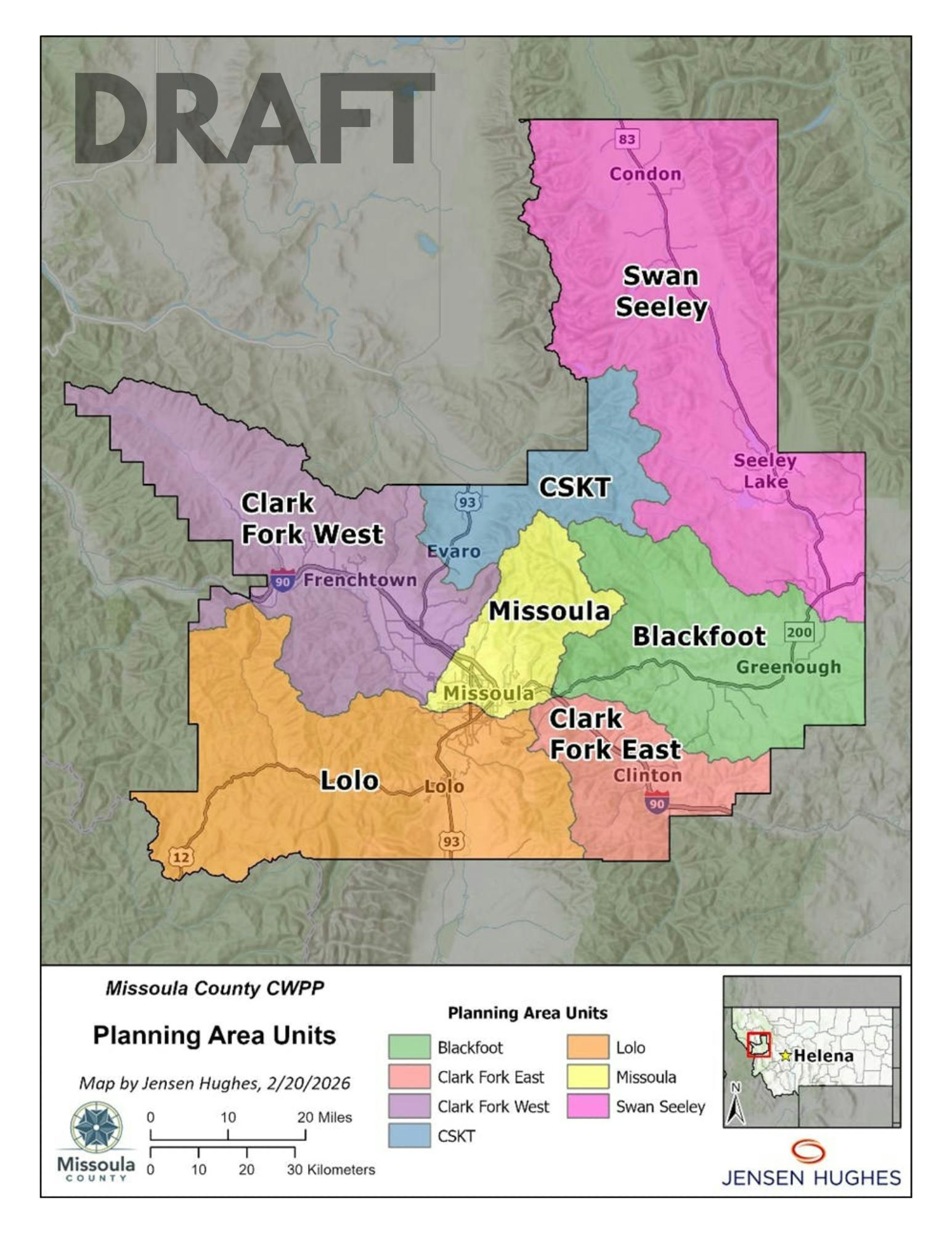
Wildfire-Prepared Missoula County: Community Wildfire Protection Plan
Project Description
Missoula County is in the beginning stage of updating the Community Wildfire Protection Plan (CWPP). This plan aims to increase individual and community capacity and resilience to prevent, prepare for, respond to and recover from wildfire.
What is a community wildfire protection plan?
A community wildfire protection plan is a guide to understand wildfire risks as well an outline action items residents, agencies and community organizations can take to reduce the impact of wildfires on our communities.
CWPPs were created under the 2003 federal law called the Healthy Forests Restoration Act. All CWPPs include three main elements:
- Working together: Local and state officials must work with community members, nonprofits and land managers (federal, Tribal, state, local government and private).
- Reducing fuels: A CWPP points out areas where thick or hazardous vegetation should be reduced and recommends how to do that.
- Safer homes: A CWPP explains what homeowners and communities can do to make buildings less likely to catch fire.
A CWPP is a community planning tool. It is not a regulation, a growth plan or an evacuation plan, but it can help guide those documents and tools.
Why update Missoula County’s CWPP?
Wildfire has always been part of Missoula County’s ecosystem. But fires are becoming more dangerous because of more homes in fire-prone areas, overgrown vegetation, difficult evacuations, the effects of climate change and a history of suppressing wildfires. The county’s last CWPP update was in 2018. Click here to read the full plan.
This update will use new data, look at how conditions have changed, and address new issues such as wildfire smoke. The plan will help the county, city and partners:
- Improve safety and preparedness for the public and first responders
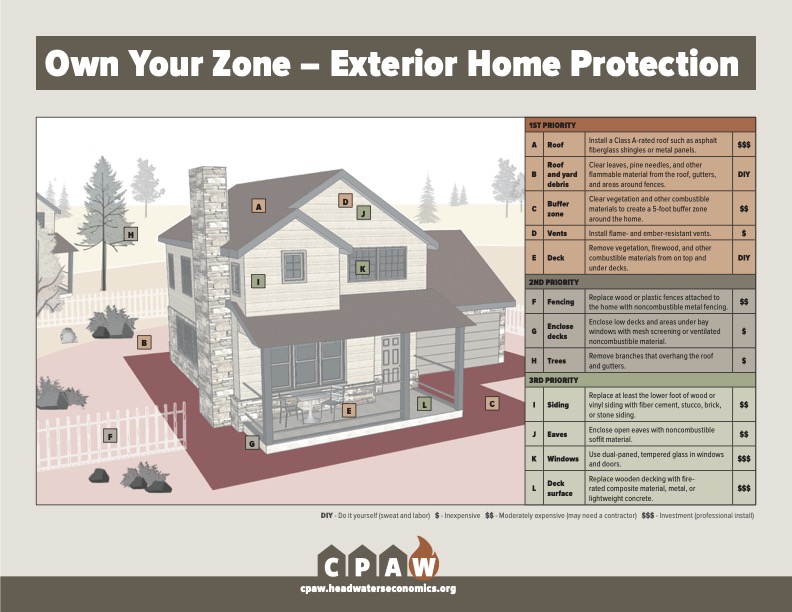
- Support fire-adapted communities by focusing on the home ignition zone (HIZ) and smoke readiness
- Keep forests and landscapes healthy and resilient
- Seek funding for projects that reduce wildfire risk and make homes and communities more wildfire resistant
- Opens eligibility for federal grant funding to fund staff time for wildfire preparedness education and mitigation projects
Key terms
What is a fire-adapted community?
A fire-adapted community is one where people understand wildfire risk and take steps to prepare for it. This includes making homes, yards and neighborhoods more resilient so the community can better live with fire on the landscape.
What is the home ignition zone?
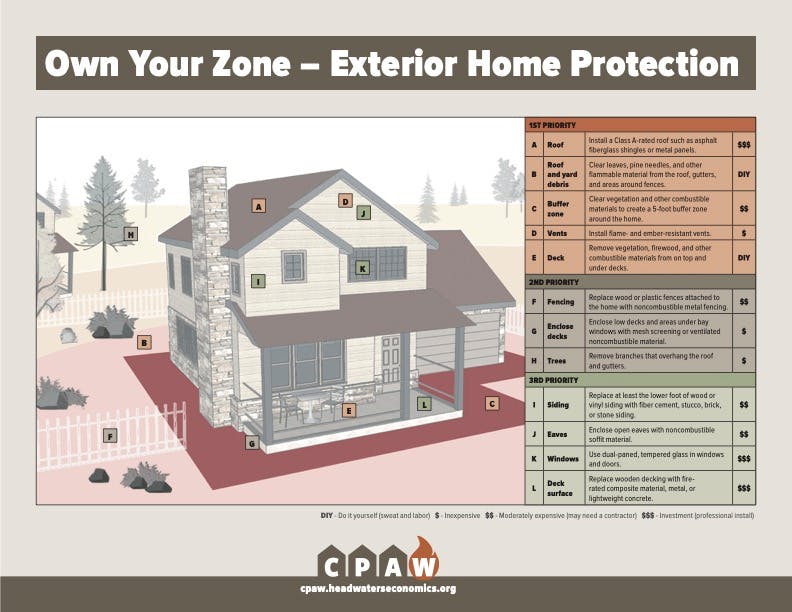
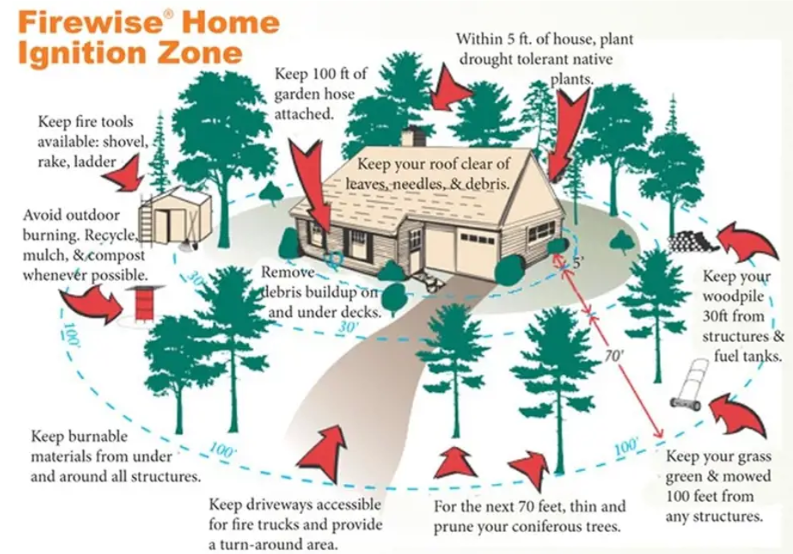
The home ignition zone (or HIZ) is one of the most important areas for homeowners to pay attention to for wildfire risk reduction. The HIZ is your home and the area immediately surrounding it that can be vulnerable to ember showers and creeping ground fire. In the HIZ it’s essential to use fire-resistant construction materials, screen vents and other openings and use non-flammable materials on the ground within 5 feet immediately surrounding the home. Listen to the podcast episode with Missoula County Wildfire Mitigation Specialist Olivia Anderson to learn more!
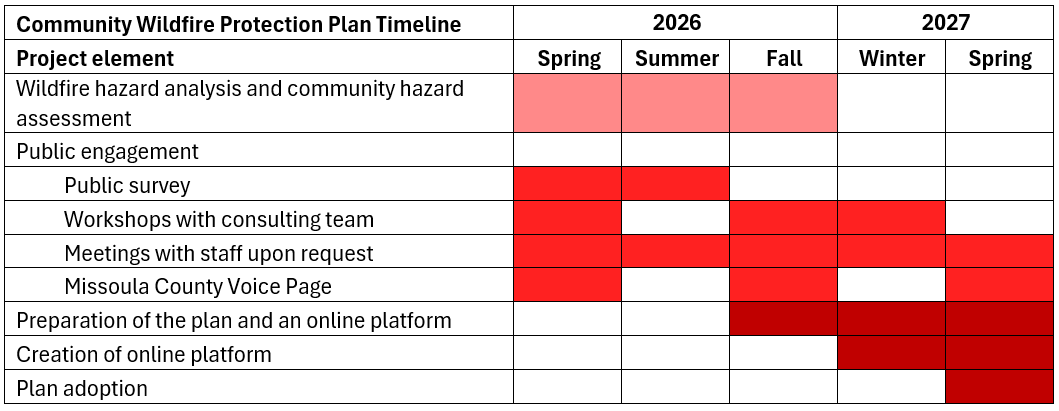
Project timeline
What’s coming up?
Join us for the second round of public engagement in November. This will include a presentation and stations and the opportunity for community discussion. All events will run from 6 to 7:30 p.m. on the following days:
- Monday, Nov. 16: Exploration Center in Missoula (1075 South Ave. W.)
- Tuesday, Nov. 17: Frenchtown Fire Station (16875 Marion St.)
- Wednesday, Nov.18: Bonner School (9045 Hwy. 200 E.)
- Thursday, Nov. 19: Sullivan Community Hall in Seeley Lake (3248 Hwy. 83)
If there isn’t a meeting in your community, please consider attending one nearby! You can also request staff attend a community council, neighborhood council or other community organization meeting after November. Future workshops will be held in different communities.
Home assessments: Make your home and property more wildfire resilient. Connect with our Wildfire Mitigation Program by submitting this form.
Have questions about this project? Ask us!
We will try to respond within ten business days.
-

Phone 406-258-4657 Email wildfireplanning@missoulacounty.us -
Chief Lands & Communities Officer
CCPhone 406-258-4657 Email wildfireplanning@missoulacounty.us -
Office of Emergency Management Director
ABPhone 406-258-4657 Email wildfireplanning@missoulacounty.us -
Wildfire Mitigation Program Manager
TLPhone 406-258-4657 Email wildfireplanning@missoulacounty.us -
JJ
Phone 406-258-4657 Email wildfireplanning@missoulacounty.us